Gamification
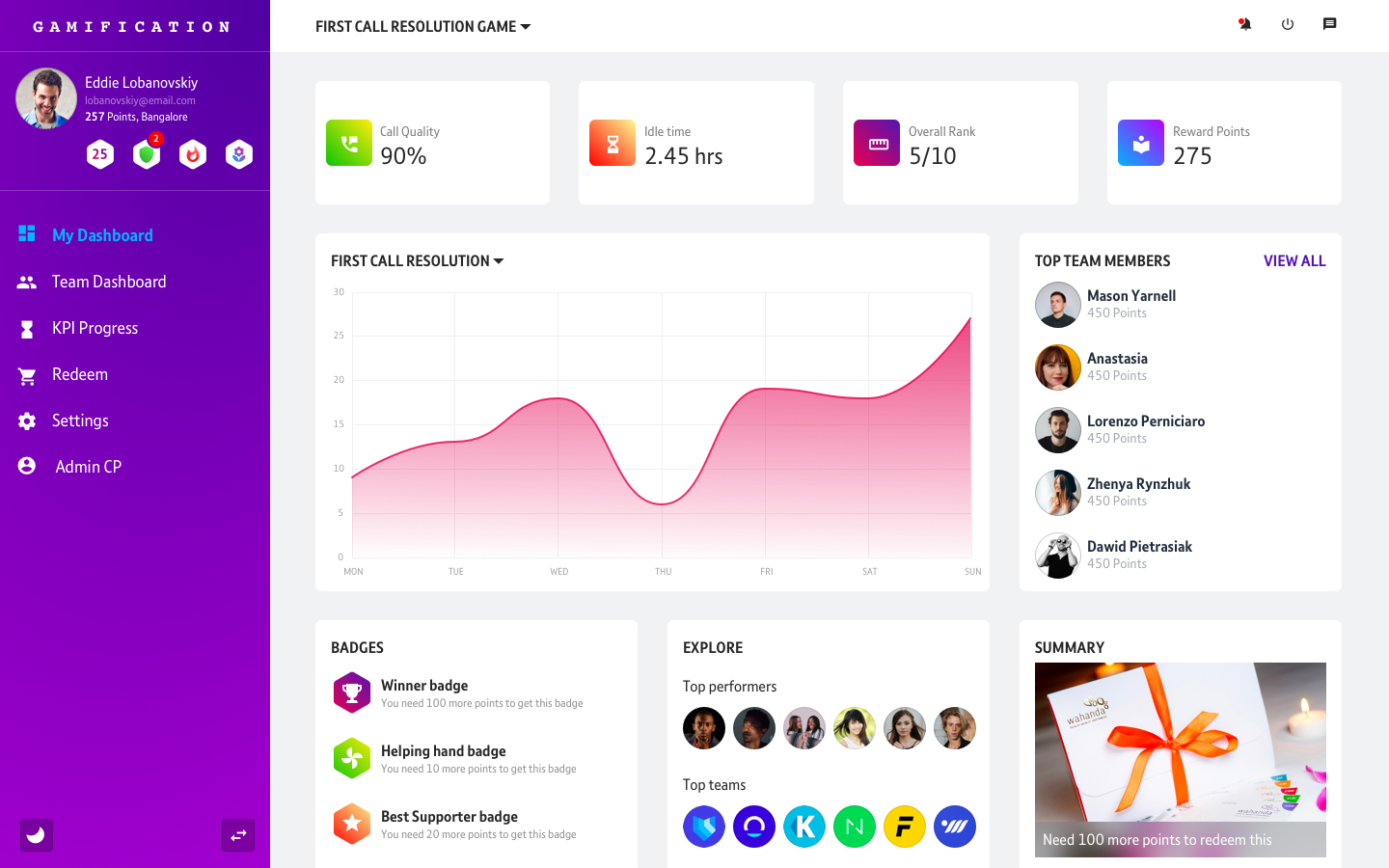
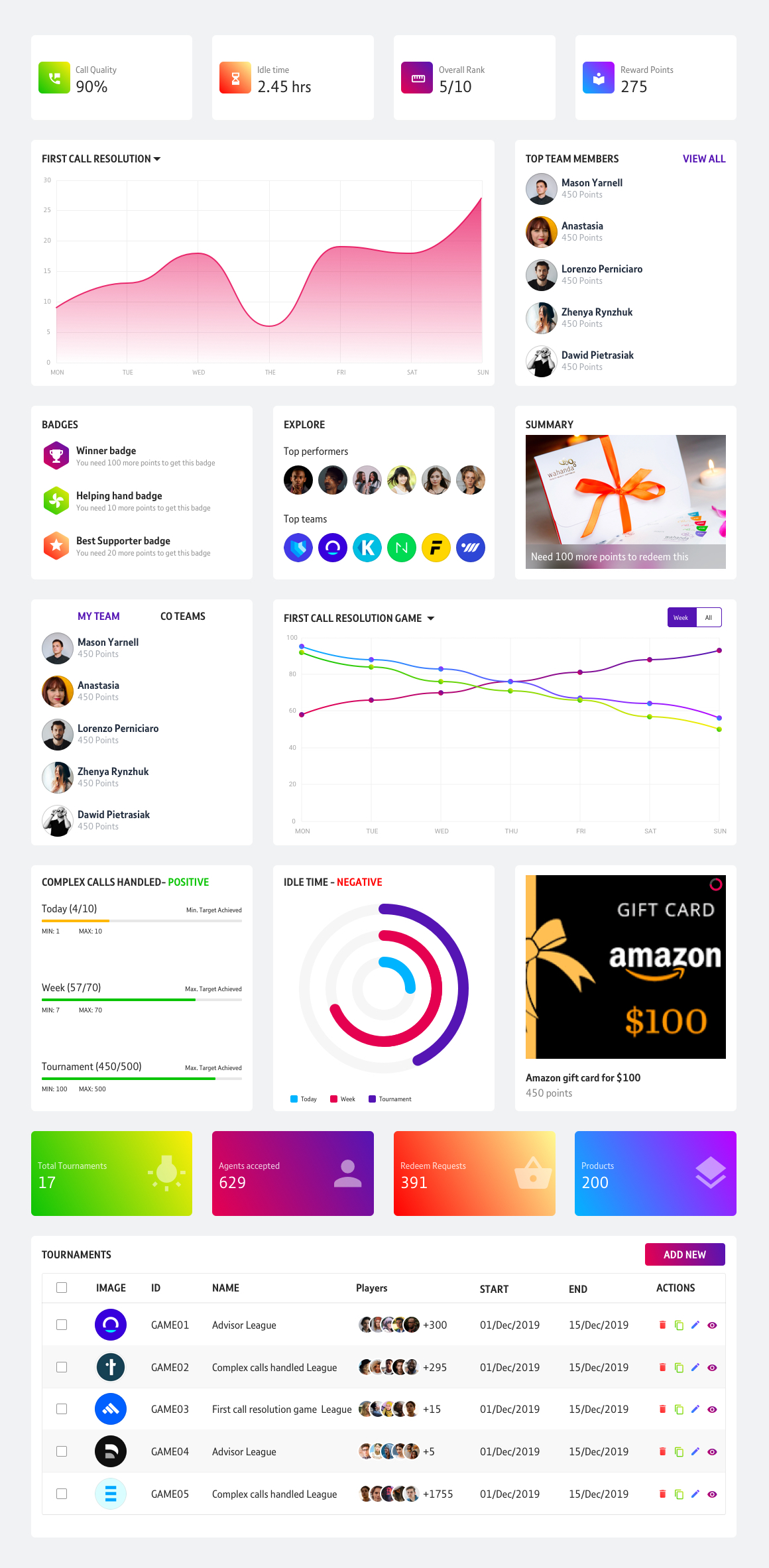
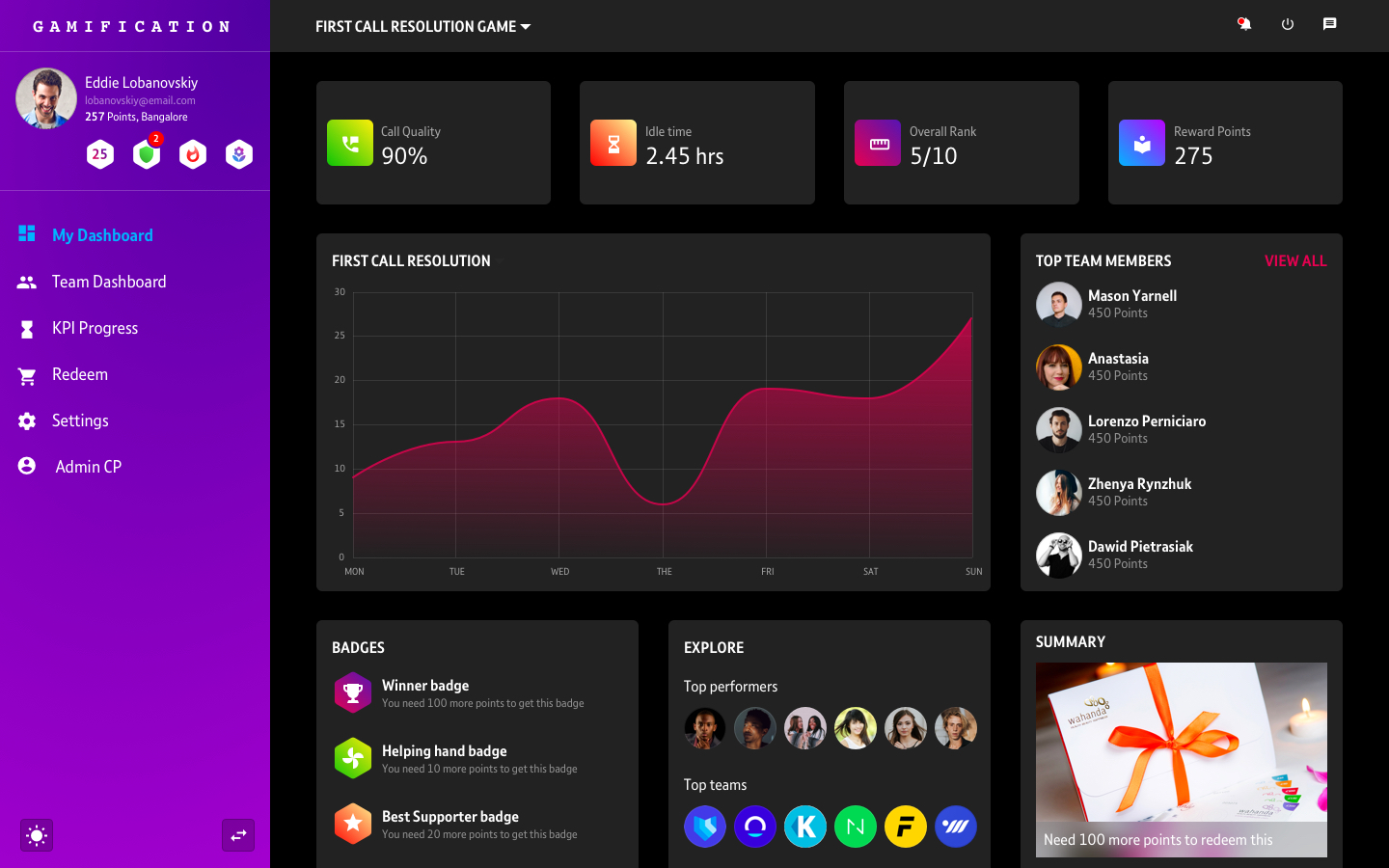
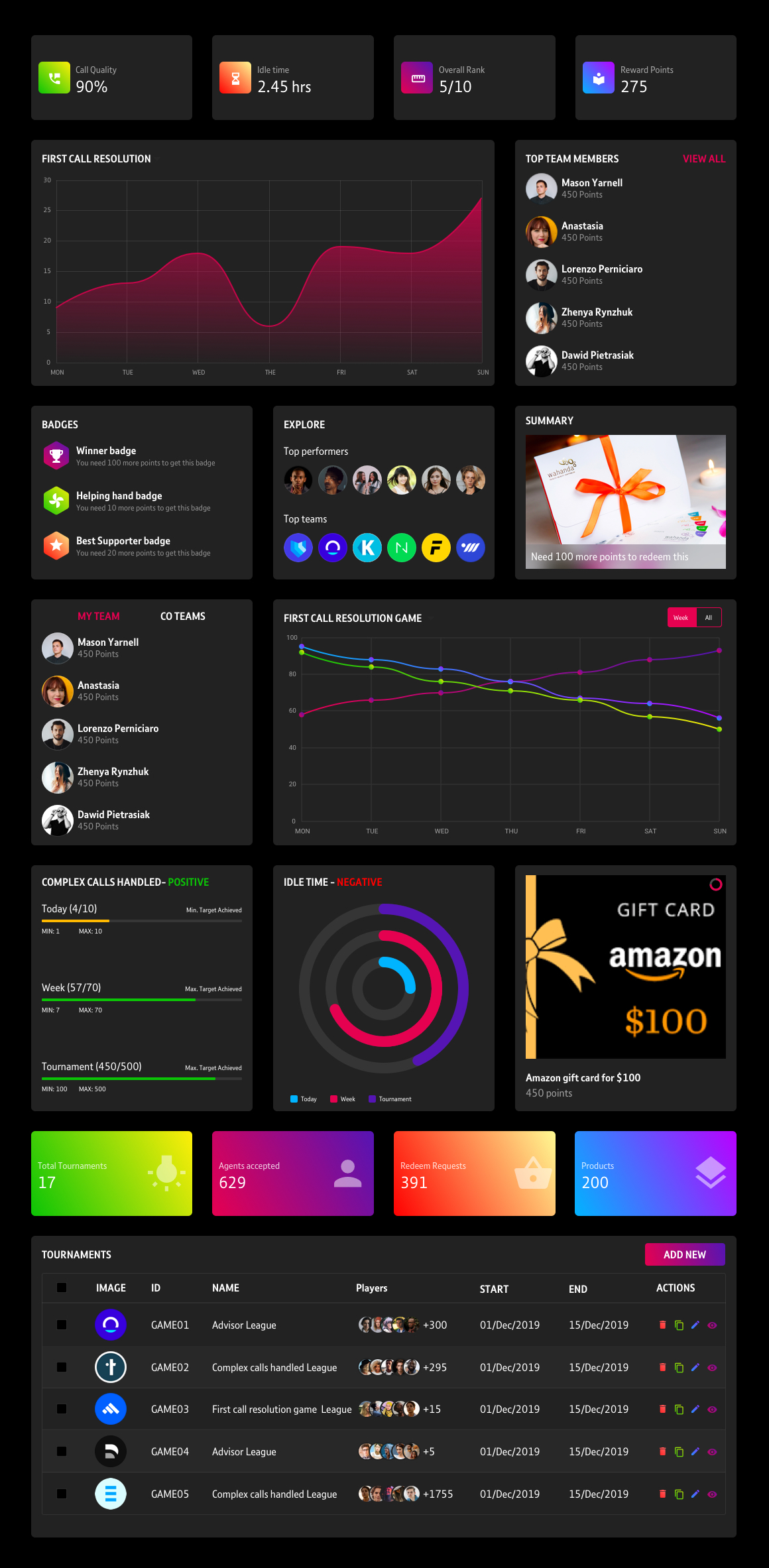
Gamification system for Call Centre agents
My Role
Served as the individual contributor responsible for design strategy, user experience, and delivery of the design solution, collaborating closely with Product Management, Engineering teams, and end users to ensure the solution was user-centric and aligned with real user needs.
- User Research
- User Experience
- Visual Guidelines
- UI Design
- User Testing
Problem Statement
Call center agents are disengaged by traditional training materials, such as lengthy manuals and static presentations. They seek dynamic, interactive learning experiences that boost both their engagement and productivity, regardless of whether they are new hires or experienced team members.
The Challenge
Call centres face common issues such as high agent turnover, disengagement, and the repetitive nature of customer service work. Agents often struggle with long hours, demanding targets, and limited career progression opportunities, leading to burnout and absenteeism.
The Gamification Solution
Gamification introduces game-like elements into daily tasks:
- Points are awarded for hitting performance targets, resolving calls quickly, maintaining high CSAT (customer satisfaction) scores, and participating in training modules.
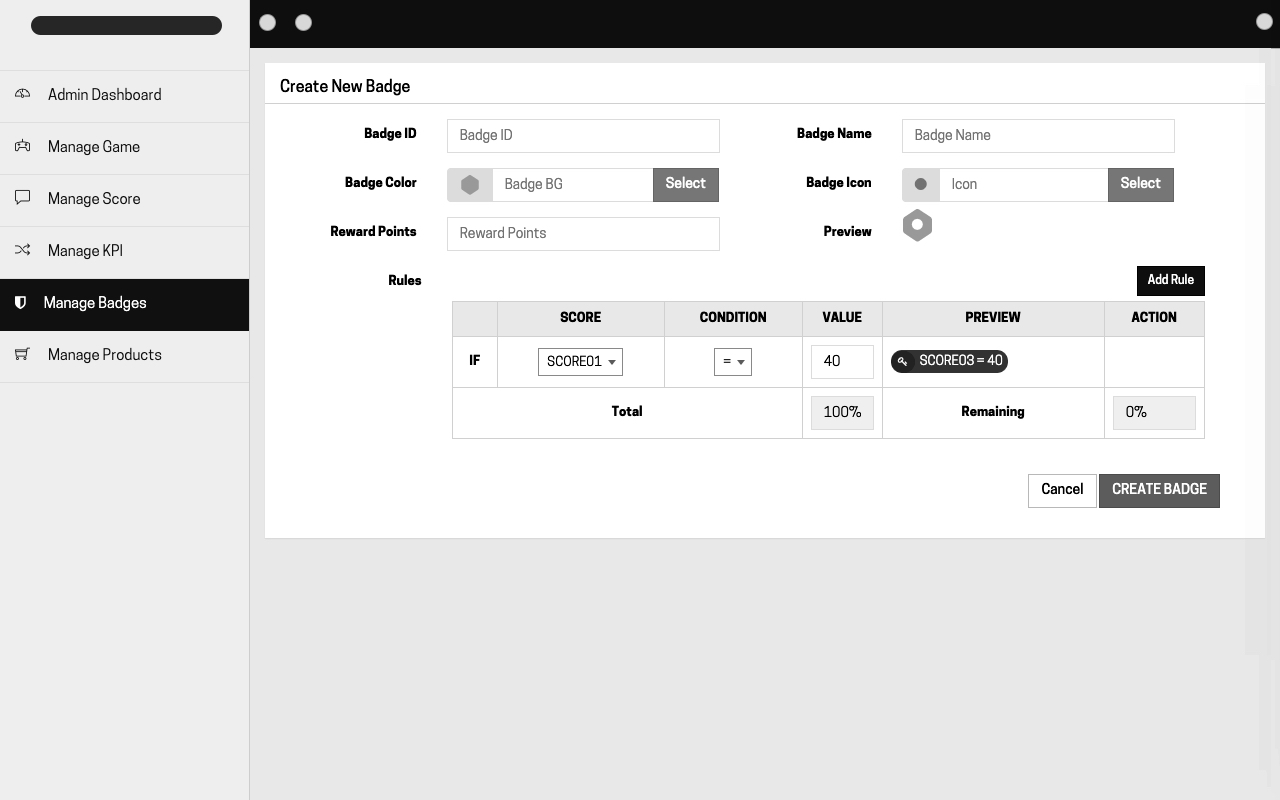
- Badges recognize milestones such as "Top Closer," "QA Star," or "Script Master." These digital tokens celebrate achievements and foster a sense of accomplishment.
- Leaderboards rank individuals or teams based on various KPIs, encouraging friendly competition and continuous improvement.
- Progress Levels allow agents to advance from novice to expert, unlocking new privileges and responsibilities as they develop their skills.
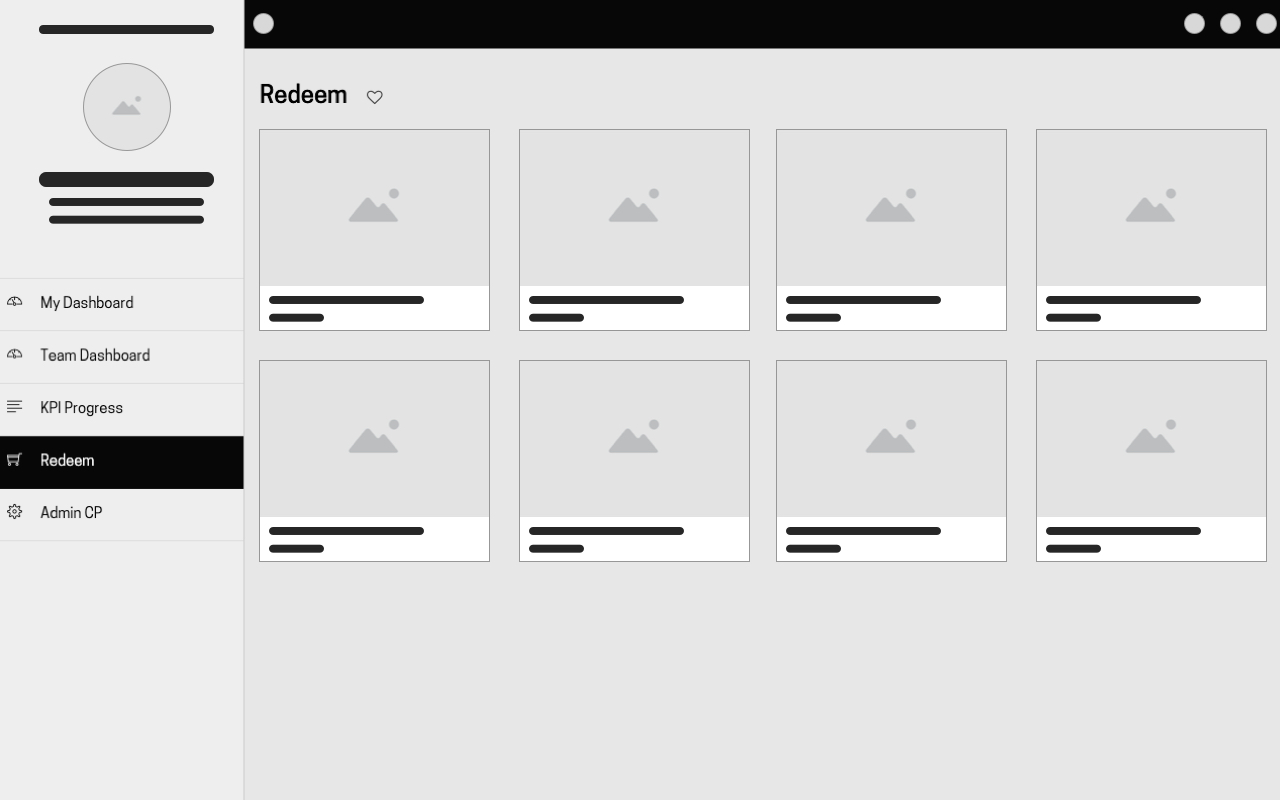
- Reward Systems let agents redeem earned points for tangible prizes, bonuses, or privileges like preferred shifts or extra breaks, motivationally tying performance to desirable benefits.
- Learning Modules amify training through quizzes and microlearning challenges, awarding points for completion and knowledge mastery.
Implementation Roadmap
The existing system is outdated and sluggish, making it difficult for users to find the information they need.
- Understand Agent Motivation: Gather agent feedback and select KPIs aligned with both business goals and workforce aspirations.
- Define Game Mechanics: Choose which elements—points, badges, leaderboards, or custom challenges—best suit the call centre culture.
- Select Technology Tools: Integrate gamification features into existing CRM platforms or use dedicated gamification apps for seamless adoption.
- Pilot and Refine: Roll out the program to a small group, collect feedback, and make necessary adjustments before scaling.
- Celebrate and Recognize: Publicly acknowledge winners, reward top performers, and foster positive team dynamics.
- Monitor Results: Track performance analytics and regularly update gamified goals to maintain ongoing engagement and drive improvement.
Existing system
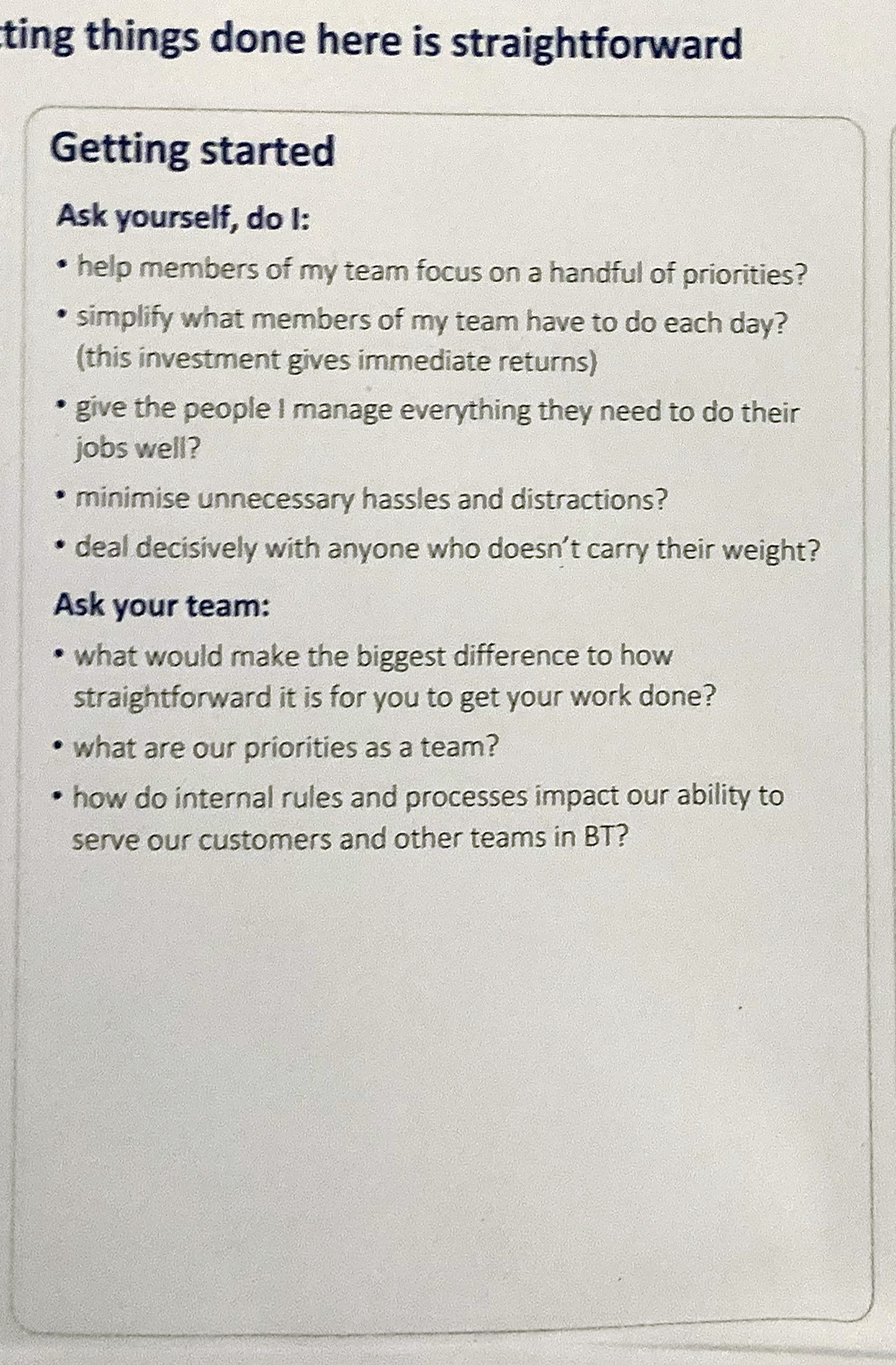
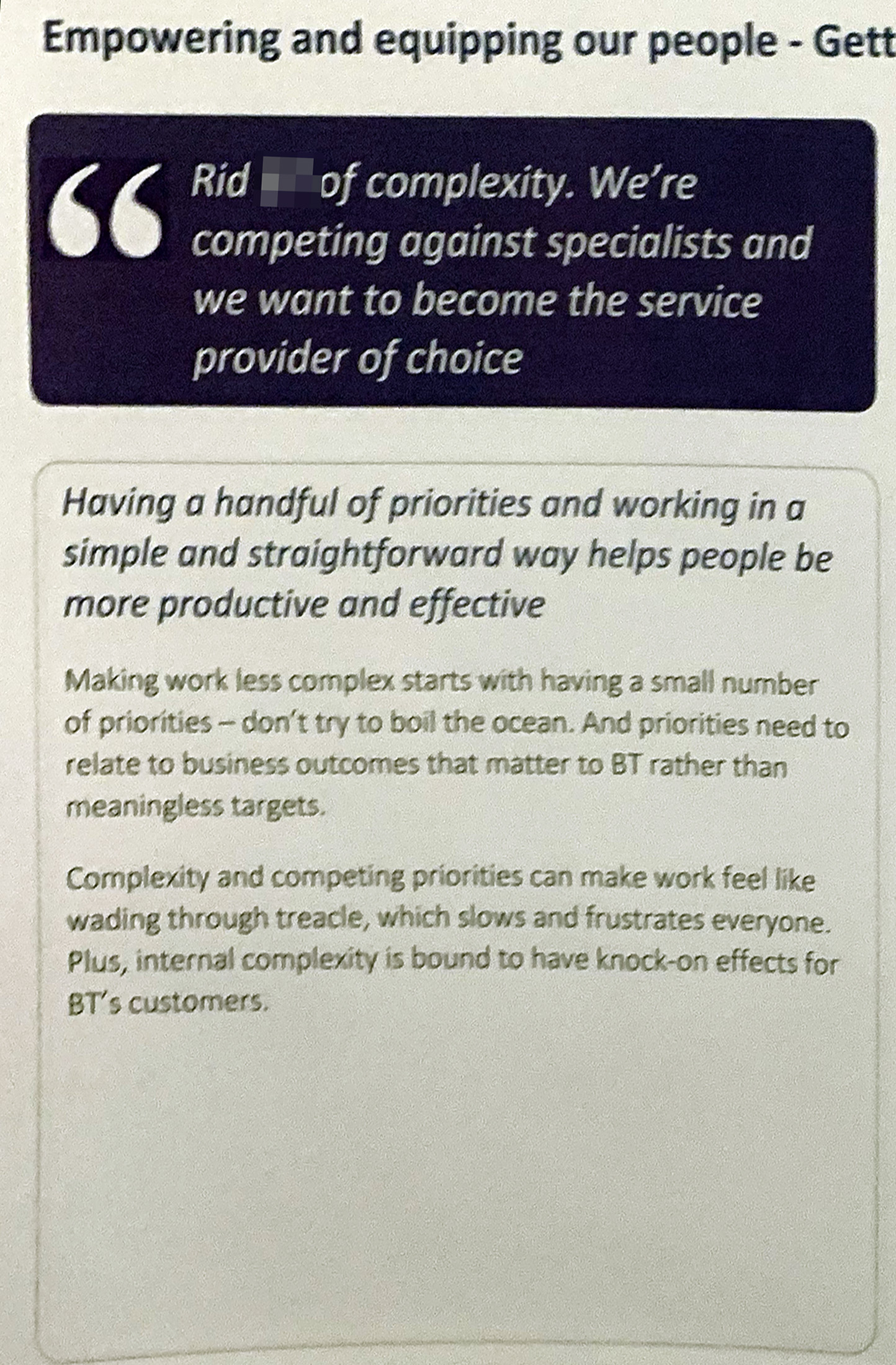
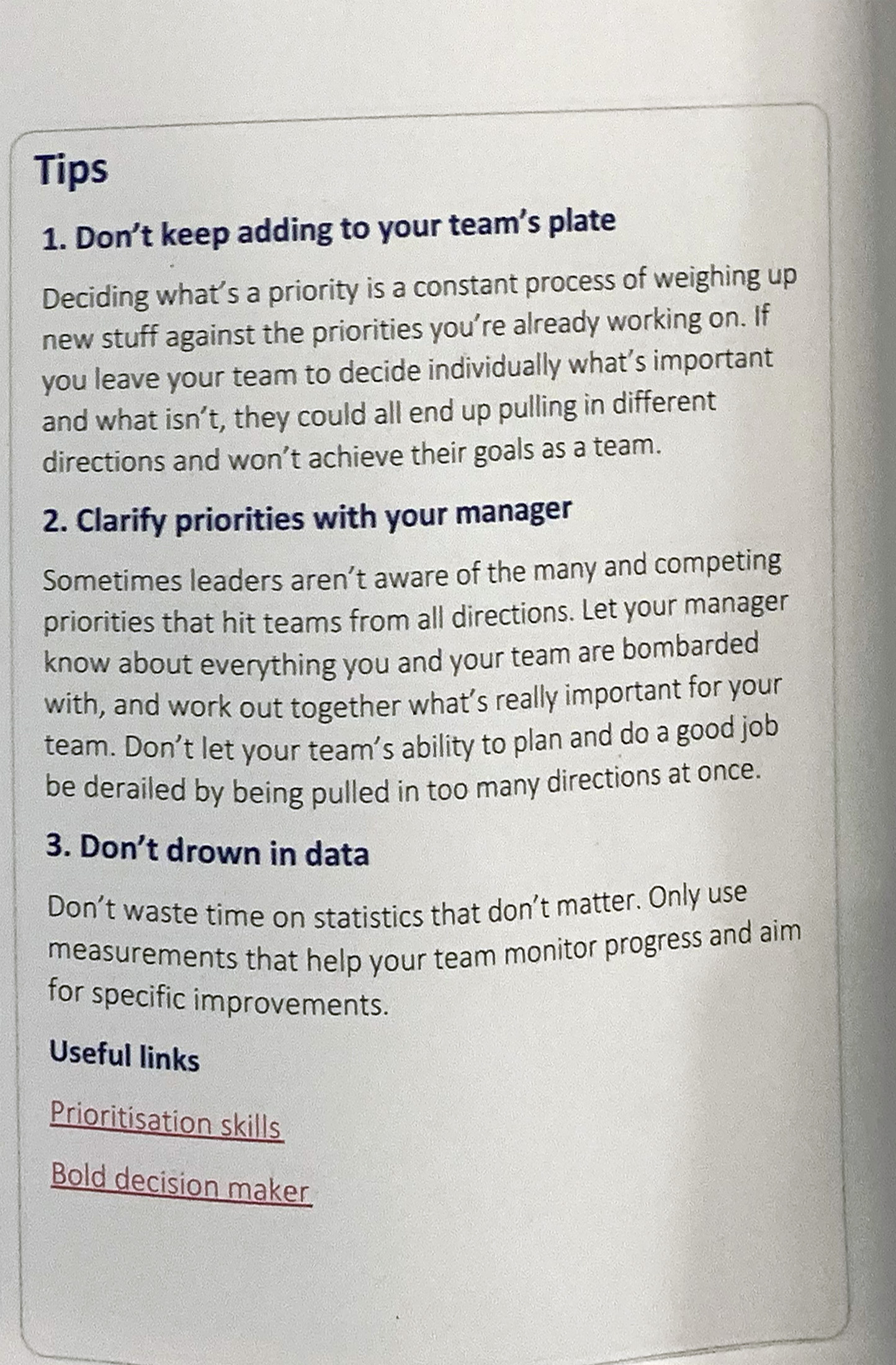
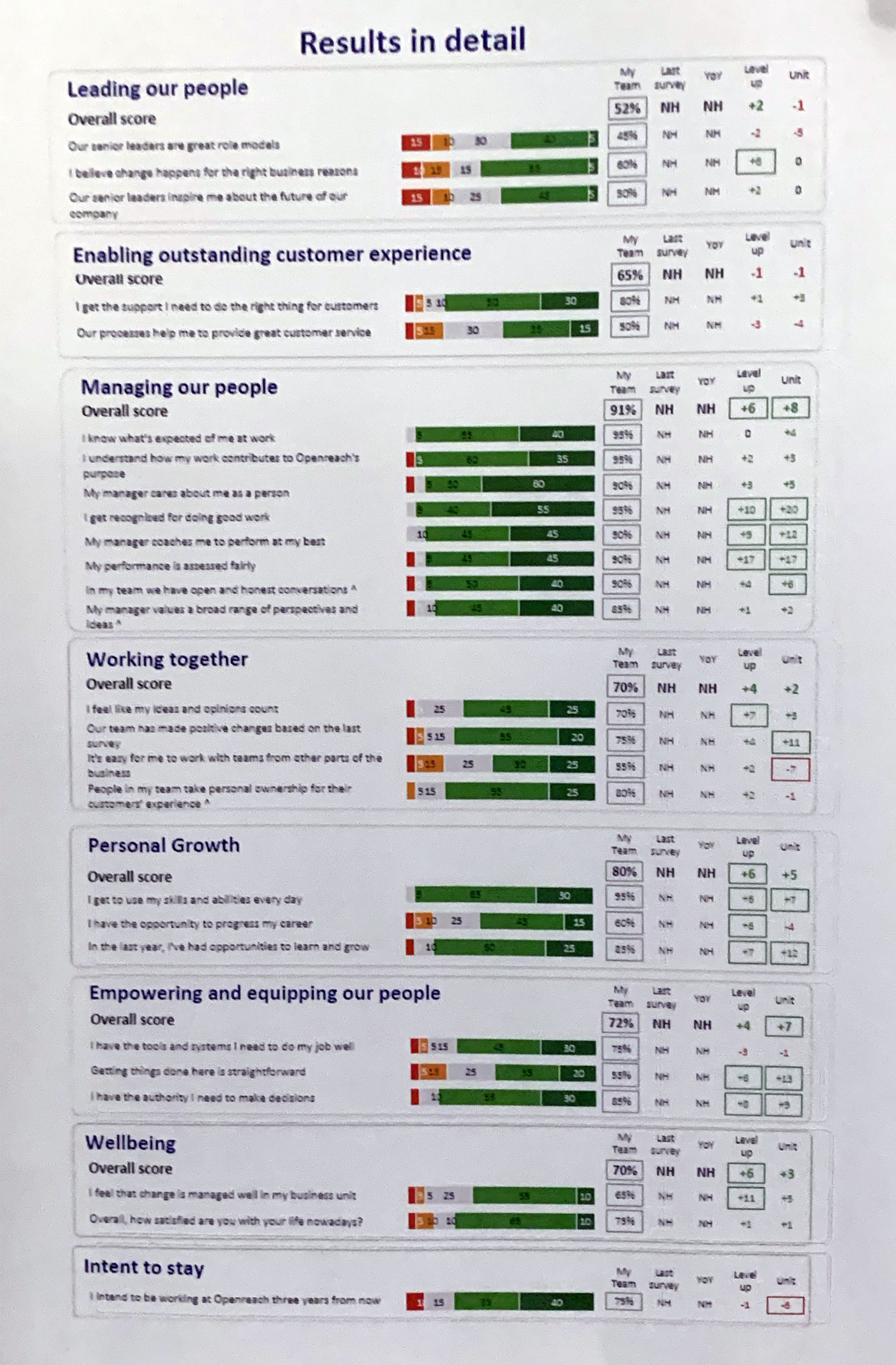
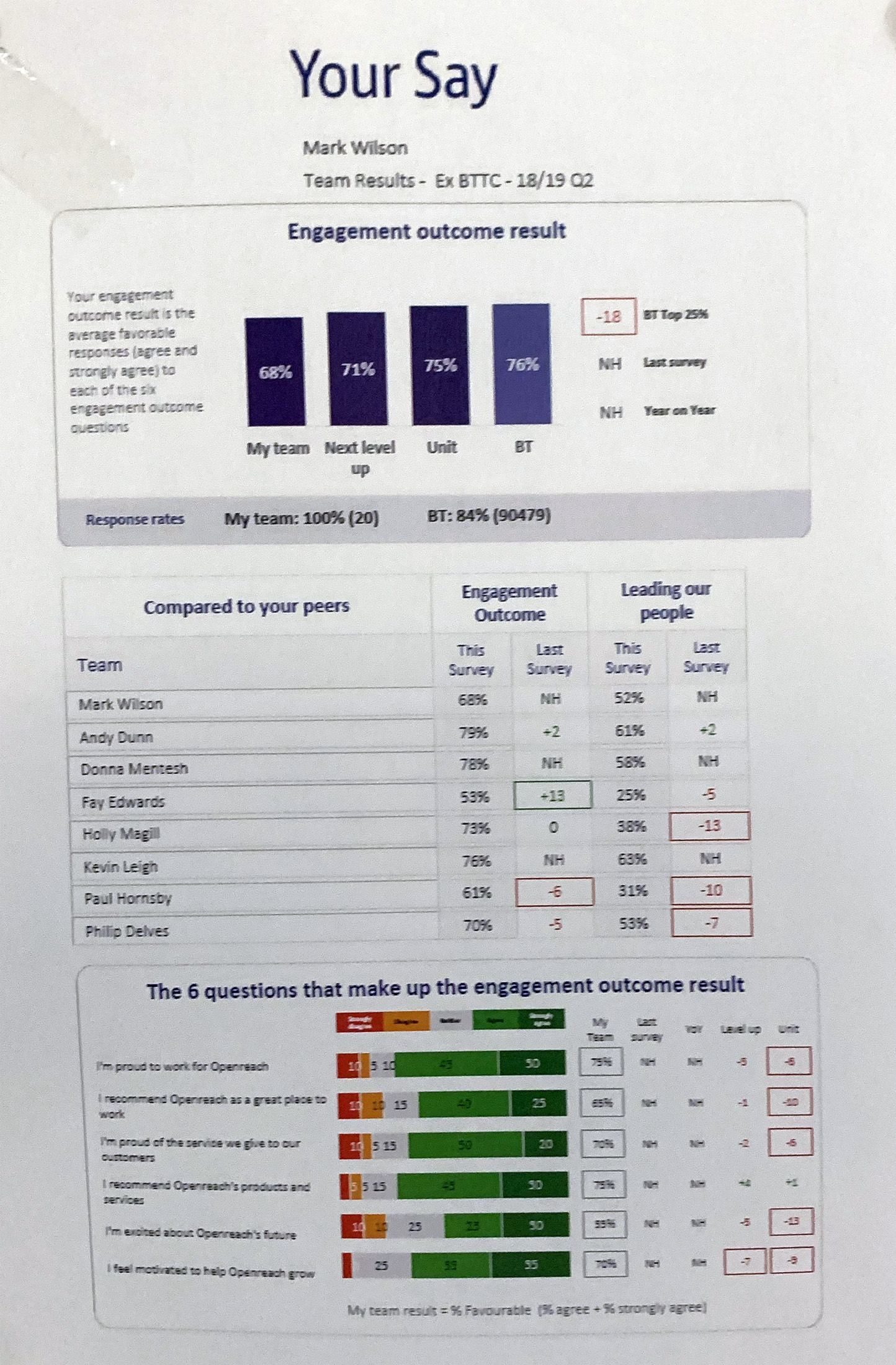
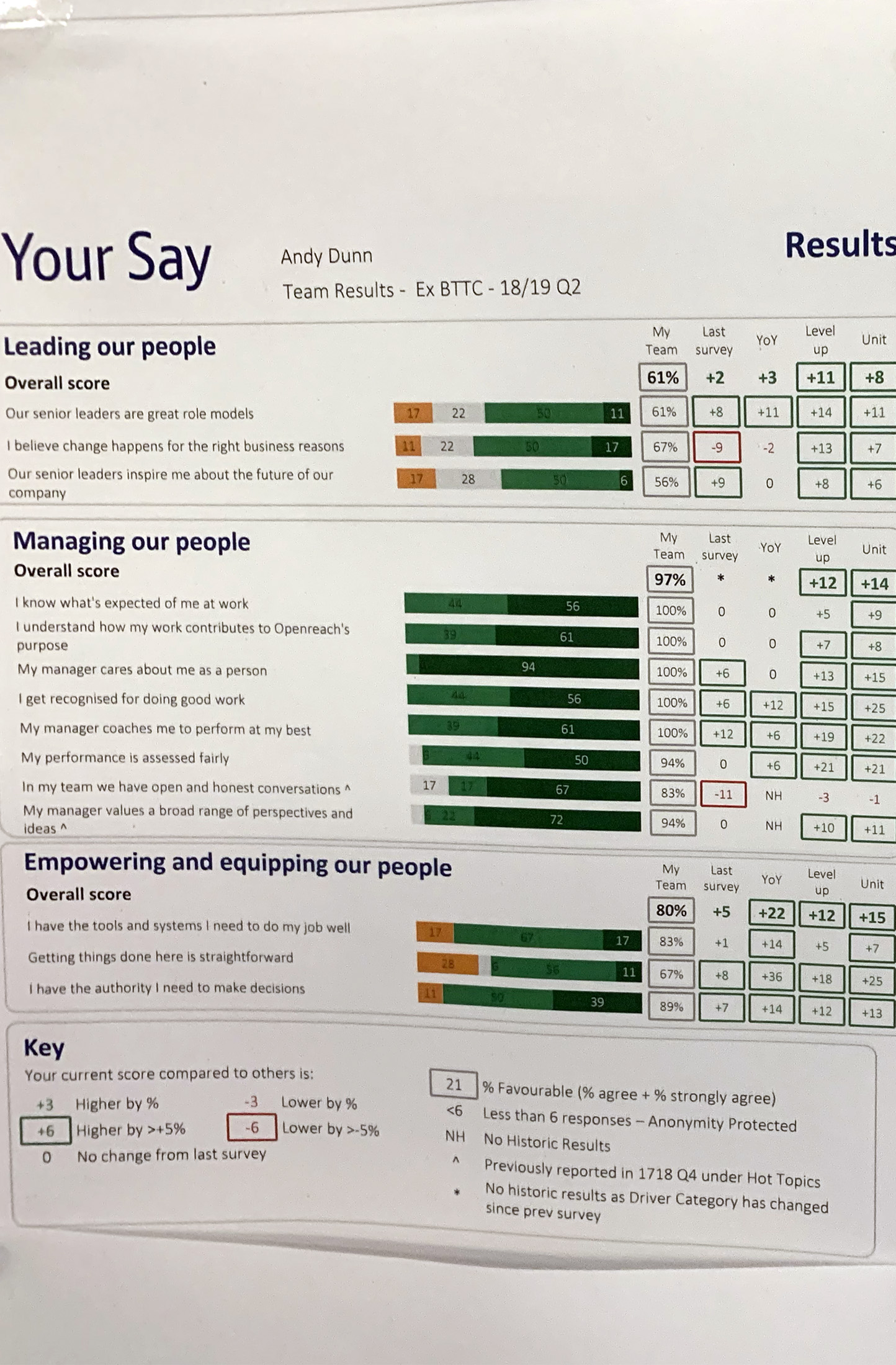
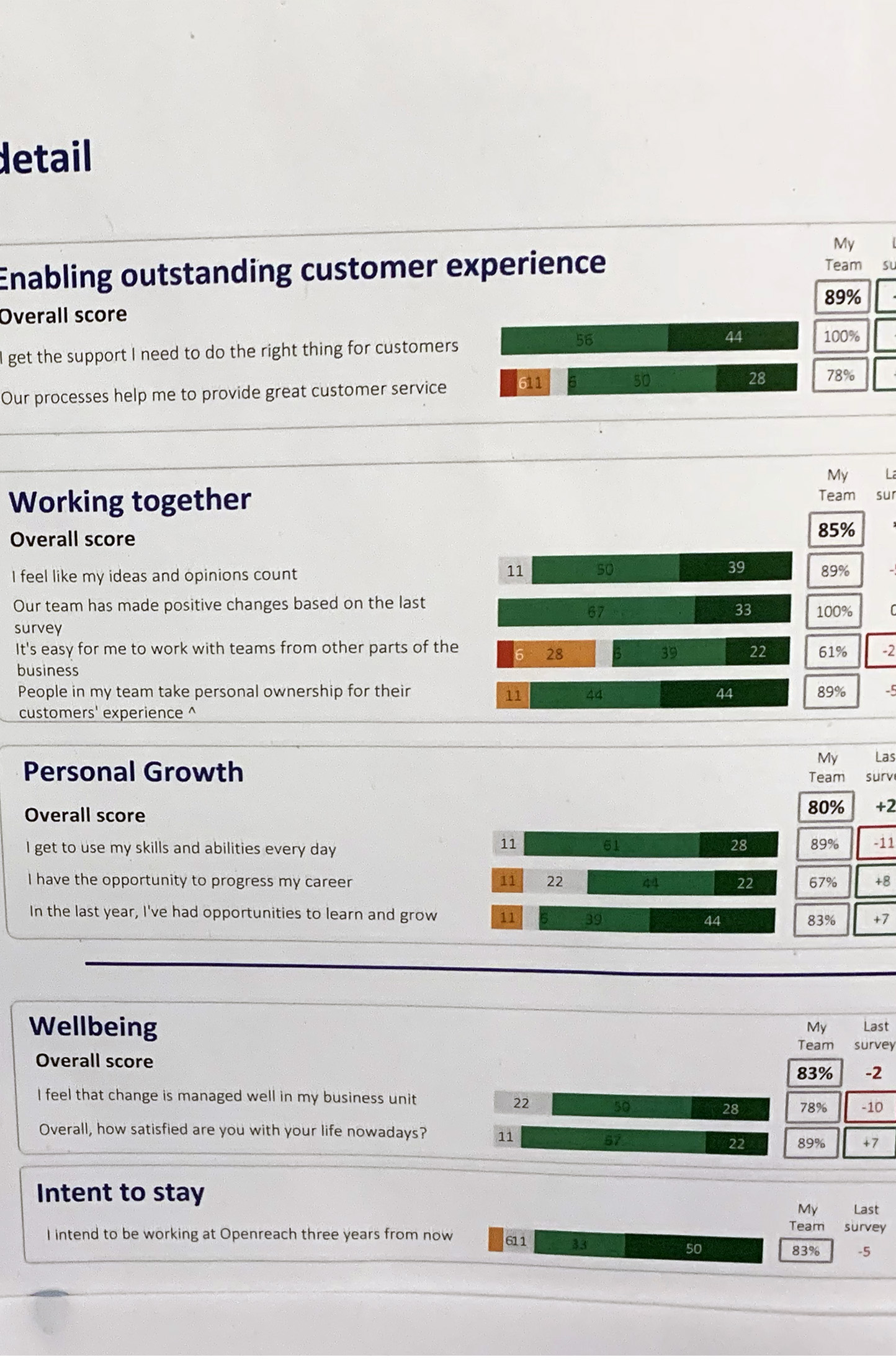
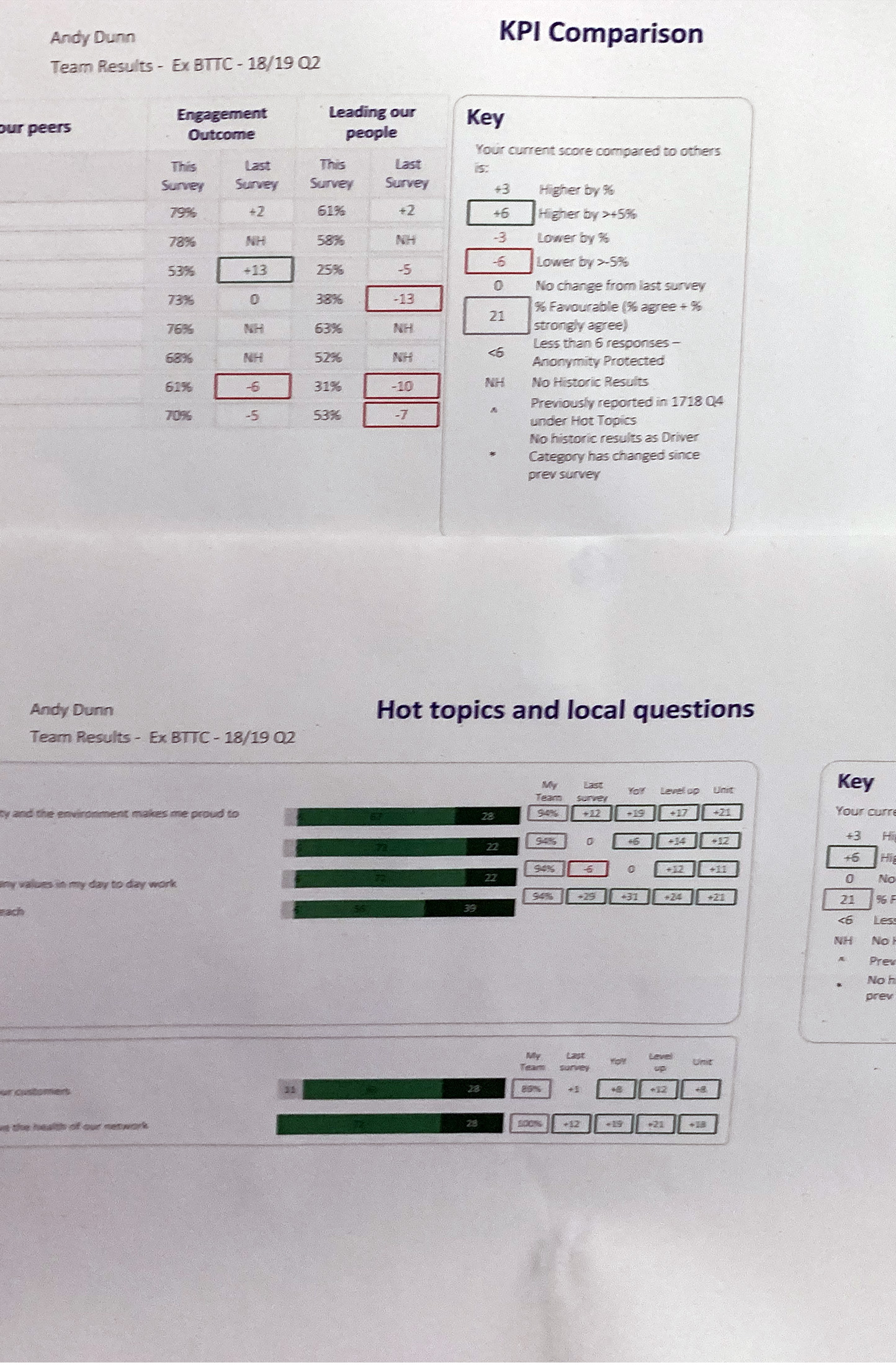
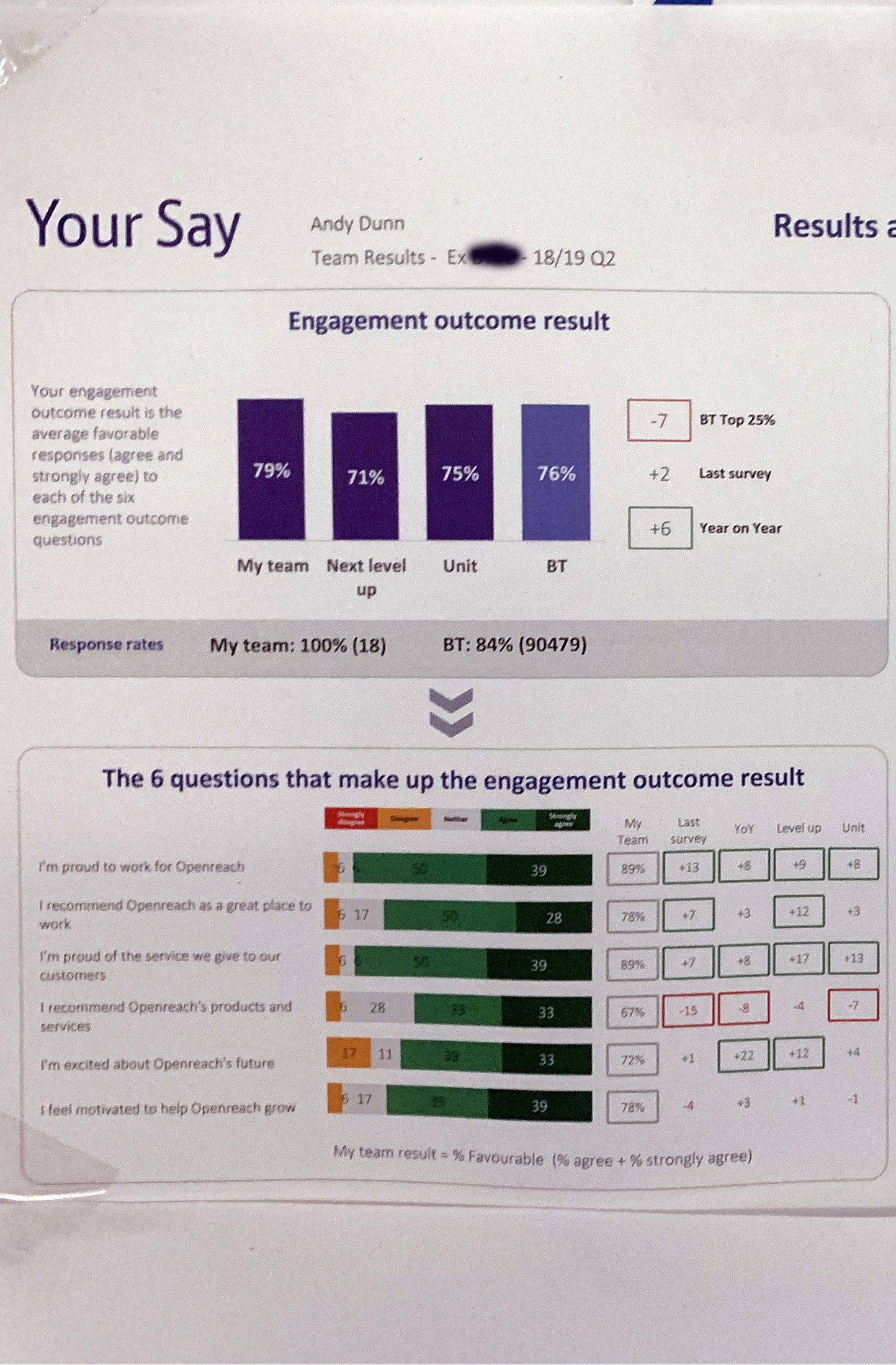
Currently, the operational processes and communications in the call center rely entirely on physical means. Important updates and organizational announcements are communicated primarily via physical notice boards and mass email distributions, resulting in information being siloed and less accessible to agents in real time. This manual approach makes document management, version control, and rapid communication both inefficient and prone to errors or delays.
The scope and Constraints
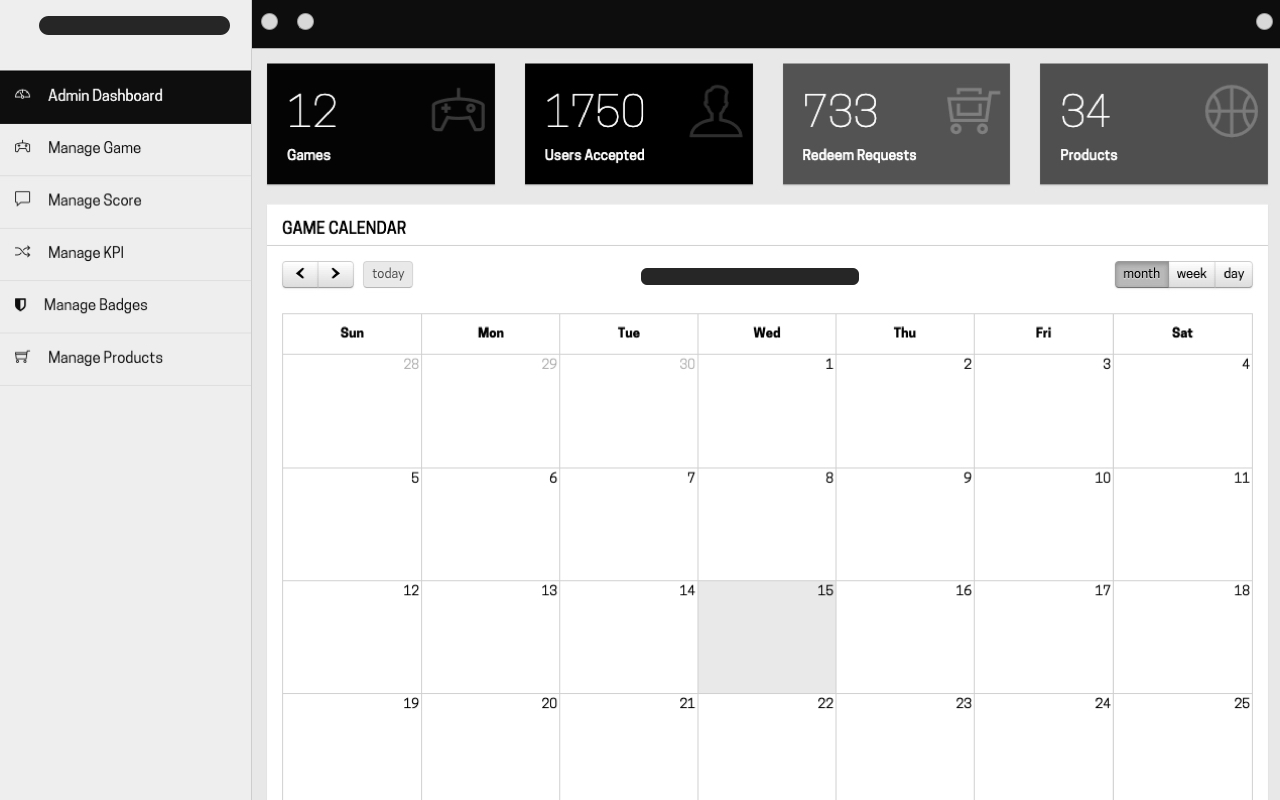
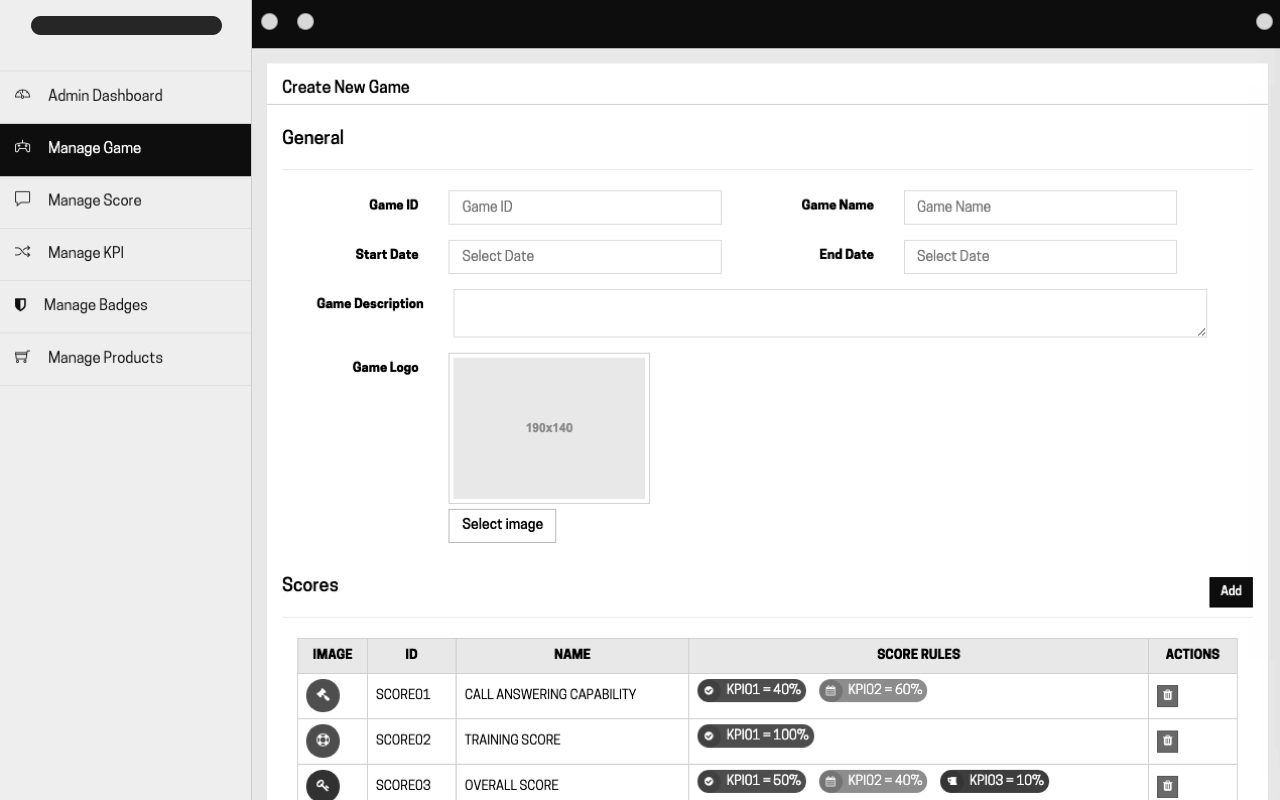
The scope of this project is to implement gamification within the call center environment by aligning game mechanics and rewards with key call center performance indicators (KPIs). Agents who excel in achieving specific call center metrics will be recognized and rewarded through badges, incentives, or other prizes. This system aims to motivate agents to improve their performance while maintaining alignment with core business objectives. The following KPIs will be closely monitored and gamified to drive engagement and measurable improvement:
- Average Speed of Answer (ASA): The time taken to answer incoming calls, promoting quicker response rates.
- First Call Resolution (FCR): The percentage of issues resolved on the first call, encouraging effective problem solving.
- Service Level: The percentage of calls answered within a defined time threshold, ensuring timely customer service.
- Average Handling Time (AHT): The total average time spent handling calls, including talk and post-call work, fostering efficiency without compromising quality.
- Average Hold Time: The average duration customers are placed on hold, incentivizing minimizing wait times.
- Percentage of Calls Transferred: The proportion of calls that require transfer, promoting resolution during the initial contact.
- Number of Calls Taken: The volume of calls handled by each agent, encouraging productivity.
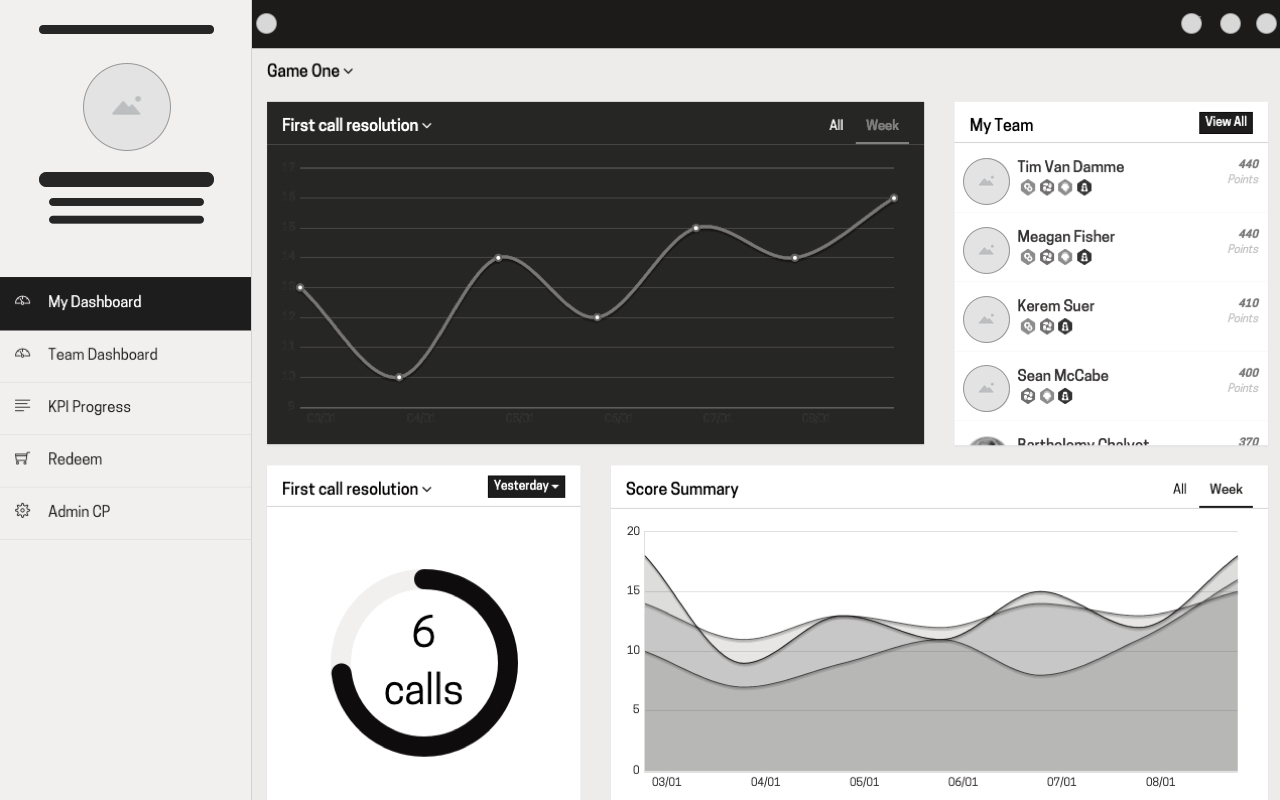
The gamification system will be designed to emphasize control over these KPIs by agents, encouraging meaningful performance improvements while avoiding pressure that could degrade customer experience or cause burnout. The rewards and recognition mechanisms will be tailored to sustain agent motivation and align with the evolving goals of the call center operations.
Design
To bring out better User experience we continuously involved users to test our designs. Since it's an Agile approach we involved our uses to getting inputs and comments in every sprint